Dr. Eliran Mor And IVF Treatment: What Patients Should Know
Fertility treatment involves more than medicine. Patients face two-week waits and frequent appointments, and they have to trust a doctor with something deeply personal.
doctor Eliran Mor
Dr. Eliran Mor
Dr. Eliran Mor
For more than twenty years, Dr. Eliran Mor, a Southern California reproductive endocrinologist, has treated fertility patients, including with in vitro fertilization (IVF).
Who Is Dr. Mor?
His education and training span two continents. He received his medical degree from the Sackler School of Medicine at Tel Aviv University in 1997 and then relocated to Brooklyn, where he completed a four-year obstetrics and gynecology residency at New York Methodist Hospital. He arrived in Los Angeles in 2001 for a three-year fellowship in reproductive endocrinology and infertility at the University of Southern California, which he finished in 2004.
Dr. Mor holds board certification in reproductive endocrinology and infertility as well as in obstetrics and gynecology. The second credential is easy to overlook, but it means he’s trained on the surgical and obstetric side of things too, which comes in handy when a fertility problem turns out to involve something structural, like fibroids or an unusually shaped uterus.
He belongs to the American Society for Reproductive Medicine, the Pacific Coast Reproductive Society, the Society of Laparoendoscopic Surgeons, and the American College of Obstetricians and Gynecologists. Dr. Mor also remains a clinical instructor at USC, which means he teaches alongside his clinical work. He speaks English, Hebrew, French, and Spanish, which is useful in a city as linguistically mixed as Los Angeles.
He has researched topics such as polycystic ovary syndrome (PCOS), male factor infertility, blocked or damaged fallopian tubes, IVF stimulation protocols, congenital uterine differences, and pregnancy at advanced reproductive age. People are starting families later than they used to, and patients in that group benefit from a doctor who knows what the research actually says about age.
 Age and IVF: What the Research Says
How IVF Works, Without The Jargon
A normal menstrual cycle usually produces one mature egg. IVF tries to collect several, because more eggs means more chances at healthy embryos. So the first phase is about ovarian stimulation: a week or two of hormone injections, with frequent ultrasounds and blood tests to see how the follicles are developing. The care team often changes doses as treatment goes on.
Once the follicles are ready, a final “trigger” shot gets the eggs ready for release. About thirty-six hours later, the eggs are retrieved during a short outpatient procedure under sedation. Most patients head home the same day.
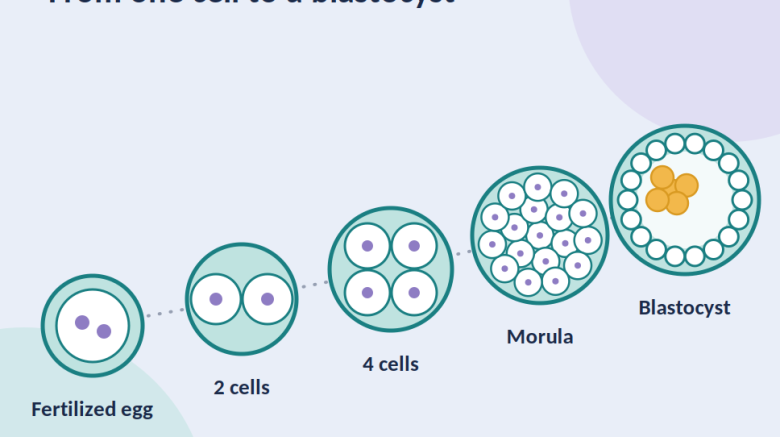
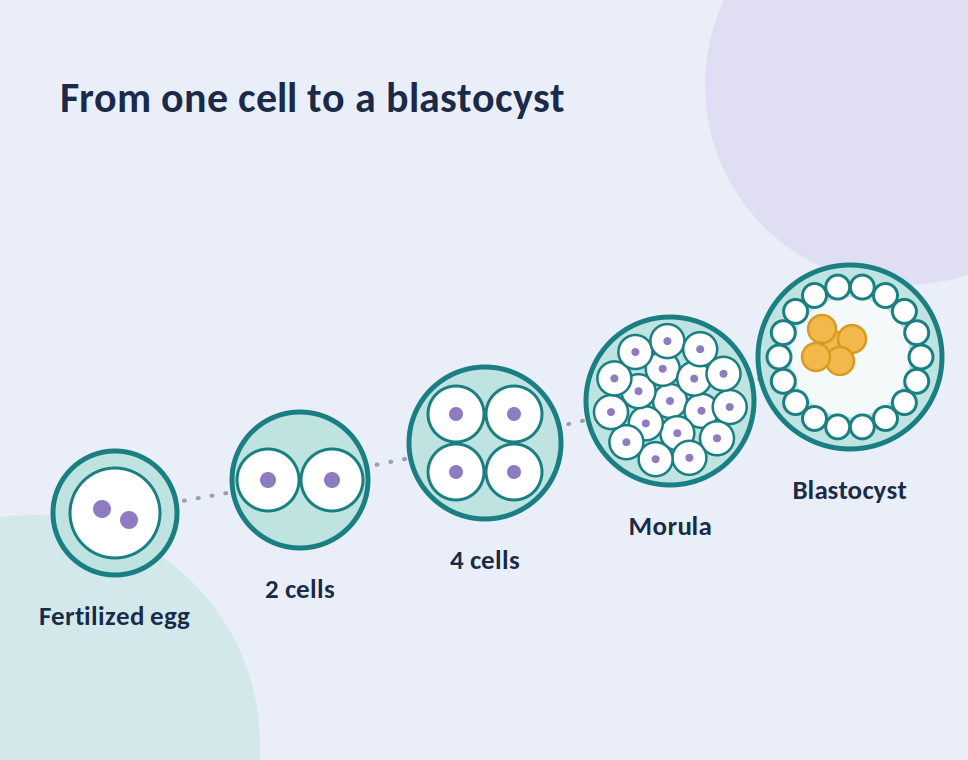
After retrieval, the work moves to the laboratory. Eggs and sperm are combined, either by letting them meet in a dish or through intracytoplasmic sperm injection (ICSI), where an embryologist places a single sperm directly into an egg. Doctors often use ICSI when sperm count or movement is a concern. During the next several days, the fertilized eggs grow into embryos.
Next comes the transfer. Some cycles use a fresh embryo right away, while others freeze the embryos and transfer one later, in a frozen embryo transfer (FET). The procedure itself is fast, often over in minutes and usually without anesthesia. Then comes a wait of roughly two weeks before a pregnancy test. That wait is often described as the most stressful stretch of the whole process.
The specifics differ from person to person: which medication protocol to use, how many embryos to transfer, whether to freeze first, and whether genetic testing makes sense. An experienced physician matters most in those decisions.
Seeing The Same Doctor Each Visit
Continuity is a central theme in how Dr. Mor describes his practice. According to him, he personally handles the major steps of a patient’s care, from consultations and after-hours questions to pelvic exams, ultrasounds, egg retrievals, embryo transfers, and any surgery that is needed.
Many fertility clinics run on a rotating team, and a patient might see a different physician at nearly every visit. Explaining your history for the fourth time to someone new can feel exhausting when you are stressed and short on sleep. A single doctor who already knows your history and your last cycle can spot patterns that a rotating cast of providers might miss.
Reviews from patients on his Healthgrades profile point the same way. People describe him as warm and honest, and as willing to answer every question without rushing them. Some also praise his staff for being helpful and reachable. Online reviews are personal stories rather than guarantees, and fertility outcomes depend on many factors that no doctor controls.
Approach To New Techniques
The fertility industry loves add-ons. New lab techniques and extra procedures are marketed all the time, and a few have real evidence behind them. Plenty don’t. As a patient, it is hard to tell the difference, especially when you are paying out of pocket and hoping for any edge.
Dr. Mor says he takes a conservative line. In his practice, he adopts new interventions only after they’ve held up in multiple good studies. To keep up with the field, he takes part in monthly journal club sessions and educational seminars, and he attends at least two major reproductive medicine conferences each year.
A conservative approach cannot guarantee a better outcome, though it can reduce the chance that a patient pays for an expensive treatment without solid evidence behind it.
Genetic Testing And Other Reasons For IVF
Not every IVF patient has trouble conceiving. Some patients choose it to lower the risk of passing on an inherited condition through preimplantation genetic testing, which is often still called PGD. Before transfer, a few cells are taken from each embryo and analyzed, which allows embryos without a specific genetic variant to be selected.
Dr. Mor’s listed procedures include PGD, and one patient on his profile describes coming to him for exactly that reason: they carried a hereditary gene mutation and wanted to keep it from their children. In a different review, another patient says they froze eggs at age 34 and later used them in an IVF cycle with a partner.
His profile also lists a range of other procedures, including assisted hatching, intrauterine insemination, ovulation induction, hysteroscopy, and robotic-assisted surgery, which shows how broad fertility care can be. IVF is not necessary for everyone. Many people begin with simpler steps, and a good specialist should tell you honestly which path fits, even when that means a less intensive option.
Who Usually Ends Up Needing IVF?
Blocked fallopian tubes are the classic case, since the egg and sperm can’t meet inside the body. Many people also turn to IVF because of endometriosis, PCOS that does not respond to milder treatment, or low ovarian reserve. Male factor infertility is another common reason. Others get a diagnosis of unexplained infertility, in which every test comes back normal and there is still no pregnancy.
Age matters a great deal. Egg quantity and quality decline over time, and the decline picks up in the late thirties. Waiting is not always a mistake, but an early evaluation shows you what your options are.
IVF is also used by same-sex couples and single parents by choice, often together with donor eggs, donor sperm, or a gestational carrier.
Paying For IVF And Choosing A Clinic
In the United States, one IVF cycle often costs well into five figures once medications and monitoring are included, and many patients need more than one cycle. Coverage varies enormously by state, employer, and plan. California has been widening its fertility coverage requirements, but what applies to you depends on the kind of plan you have, so call your insurer with specific questions before you start.
Several major carriers appear on Dr. Mor’s public profile, including Aetna, Anthem Blue Cross, Blue Cross Blue Shield, Cigna, and UnitedHealthcare. Provider networks change, and fertility benefits are often handled separately from regular medical coverage, so treat any online list as a starting point and confirm with both the office and your insurer.
Before choosing any specialist, consider asking these questions:
- Does the physician hold board certification in reproductive endocrinology and infertility?
- Will I see the same doctor throughout, or a rotating team?
- How does the clinic decide which add-ons to recommend?
- Will I get a clear breakdown of costs before I commit?
- Who do I call with an urgent question at 10 p.m.?
It’s also reasonable to check a doctor’s background. Dr. Mor’s Healthgrades listing shows no malpractice claims, no sanctions, and no board actions.
The Emotional Toll Of IVF
IVF is physically demanding, and the emotional load can be just as heavy. Injections, appointments, bills, and uncertainty pile up, and together they can strain even solid relationships. Many people need more than one attempt, which is normal but doesn’t make it easy.
Reviews of Dr. Mor often come back to how he and his staff treated patients. One couple describes a three-year journey with him that ended in a second pregnancy. Another patient writes of “graduating” from his office at eleven weeks of pregnancy and already expecting to miss the staff.
Choosing A Specialist
IVF has helped millions of people become parents. It is also expensive and emotionally demanding, and the process is complicated enough that the choice of doctor carries a lot of weight.
Dr. Mor is board certified in two specialties, completed his fellowship at USC, still teaches there, and describes a practice built on personal involvement and evidence-based choices. For anyone considering IVF in the Los Angeles area, the questions listed above make a useful starting point for a consultation.
This article is meant for general information only and is not medical advice. Because every situation is different, please speak with a qualified healthcare provider about your own circumstances.