
As Frank Lloyd Wright once put it, “The mother art is architecture. Without an architecture of our own we have no soul of our own civilization.” This idea resonates deeply with homeowners today. Many are looking to shape their own living environment and add meaningful value to their property.
In Washington state, Link here about ADU builders have surged in popularity. They provide a flexible answer for extra room. That added space can support family, host guests, or open up rental income opportunities.
Making this plan real calls for thoughtful preparation and capable craftsmanship. The entire project’s success often comes down to one crucial choice. Picking the right builder at the outset is absolutely vital.
This is where the expertise of a firm like Renovate Builders becomes invaluable. As a top professional construction service in the region, they know the local building landscape. Their team navigates complex local regulations and manages the construction process with precision.
This article is designed as a comprehensive guide for your journey. It will cover the major benefits of adding a secondary dwelling unit to your property. You will learn how a thoughtful project can enhance your living space and your financial future.
Understanding ADUs In Washington State
Washington homeowners are discovering a powerful solution to modern living challenges right in their own backyards. These secondary homes provide flexibility that standard home additions rarely deliver. They represent a smart approach to maximizing property utility.
What Is An ADU?
An accessory dwelling unit is a fully separate living space located on a single-family property. It operates independently from the primary home. The unit is equipped with what someone needs for day-to-day life.
A true accessory dwelling unit includes essential living facilities. These always feature a dedicated kitchen space for meal preparation. They also contain a private bathroom and a separate sleeping area.
These Web link about ADU builders units come in several distinct forms. Some are fully detached structures built in the backyard. Others might be converted basements or additions attached to the existing house.
These units are surprisingly versatile. They can serve as comfortable guest suites for visiting family. Many homeowners use them as private studios or creative spaces.
Some people establish a quiet home office away from main household activity. Others set them up as rental units that generate consistent monthly revenue. These units also support multigenerational living arrangements.
It’s worth separating ADUs from ordinary room additions. A real accessory dwelling unit functions independently. It doesn’t just add space—it creates a wholly separate living environment.
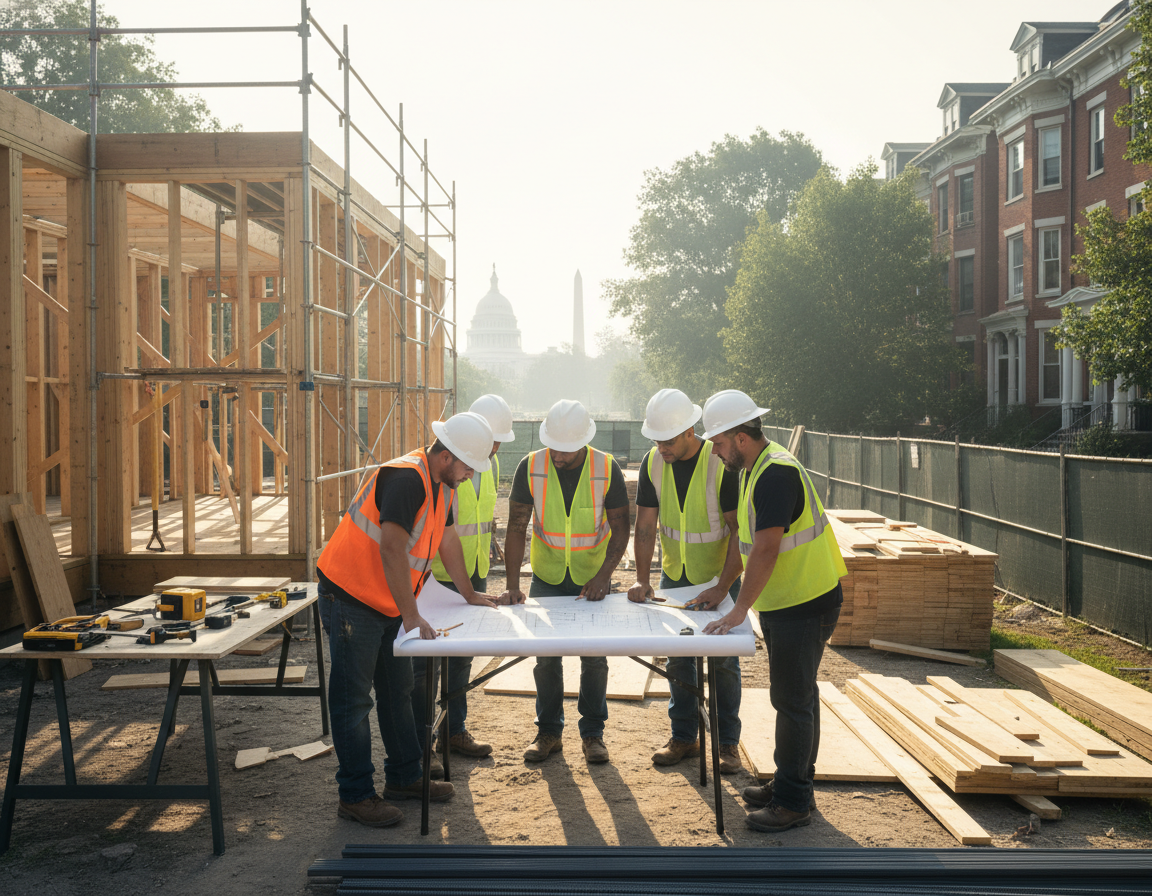
The Growing Popularity Of ADUs In The Wa Housing Market
A range of forces is fueling the growing demand for these secondary units in Washington. The state is dealing with a major lack of affordable housing choices. These smaller dwellings help relieve this community pressure.
Changing lifestyle patterns also contribute to their appeal. More people are working remotely and want dedicated office space. Many households look for flexible setups for parents who are aging or adult children.
Recent policy updates have made the process easier. Legislators in Olympia approved measures that streamline approvals. These changes reduce bureaucratic hurdles for property owners.
The revised rules make it clearer what homeowners can build. They set clearer expectations for size and placement. This support makes planning more straightforward.
Homeowners value the many benefits these projects deliver. They add valuable living space without the need to move. The space can shift as household needs change over the years.
Financial motivations also weigh heavily. Building an ADU can be a strategic investment. It increases property value while potentially creating rental income.
Strong outcomes require a solid grasp of local regulations. Each municipality sets its own zoning standards. Proper planning helps keep everything compliant from the start.
Building an ADU creates long-term value. It improves property functionality right away. It also establishes assets that will serve you for years to come.
The Multi-Layered Benefits Of Building A Washington ADU
Beyond added square footage, a well-planned secondary unit delivers lifestyle and financial advantages. Homeowners gain versatile options that adapt to changing needs over time. This kind of investment improves everyday living and long-term value.
These units address multiple challenges at once. They offer practical Visit the site about ADU builders solutions for modern living without the disruption of moving. Each advantage ties back to common goals shared by property owners statewide.
Creating Flexible Space For Family And Guests
A standalone unit delivers privacy and independence for people in the household. Grown children can live comfortably while saving for a place of their own. Aging parents maintain closeness to family while keeping their autonomy.
Guests appreciate having their own private space during visits. This setup helps keep the main house peaceful. People can spread out without the feeling of crowding.
With remote work growing, dedicated office space is invaluable. A quiet studio away from household noise boosts productivity. Creative professionals gain a focused environment for their projects.
This flexible area serves multiple purposes throughout the year. It might be a guest suite during holiday seasons. That same space can become a yoga studio or an art workshop.
Generating Sustainable Rental Income
The financial benefits are a major reason these projects appeal to homeowners. A completed unit creates a steady stream of monthly rental income. This revenue can reduce the impact of mortgages and property taxes.
Homeowners can build long-term financial security through passive income. Extra cash flow can support other goals and investments. Rental demand remains strong in many Washington neighborhoods.
This approach is a practical form of asset optimization. Property owners convert unused yard space into income-producing assets. The return on investment often exceeds traditional savings methods.
Here are a few financial benefits to consider:
- Monthly rent creates consistent passive income
- Added income can lower overall housing costs
- Rising property value supports equity growth
- Certain tax advantages may apply to rental-related expenses
Increasing Your Property Value Overall
A well-built addition can significantly increase market appeal. Many buyers view the extra unit as a major advantage. This feature often justifies a higher asking price during sales.
The investment pays dividends when property values increase over time. Homeowners gain equity faster than with standard improvements. This kind of upgrade helps a home stand out in competitive markets.
Smart planning ensures the new space complements the existing home. Thoughtful design maintains neighborhood aesthetics while adding functionality. Strong construction supports long-term value for decades.
Community benefits extend beyond individual properties. These additions add housing density in a more sustainable way. They provide more options within established neighborhoods without large developments.
The aging-in-place concept becomes more feasible with this arrangement. Owners might later move into the smaller unit. They could rent the primary home to create extra retirement income.
Exploring Your ADU Options: Types And Styles
There are multiple ways to add a secondary residence to a single-family lot. Each option presents different advantages regarding cost, timeline, and space utilization. The best fit depends on your lot layout, budget, and long-range goals.
Local zoning regulations across counties can shape what you can build. A knowledgeable contractor can help you work through these requirements. They ensure your project meets all community standards from the start.
Detached ADUs: Stand-Alone Backyard Units
A new detached build offers the most design flexibility. They are constructed separately from the primary home. They create a private backyard retreat.
This route allows more creative architectural expression. The style can complement the primary home or establish its own character. High-quality materials and workmanship help ensure long-term durability.
These detached units offer complete separation for those living in them. They work well for rentals or for family members who want independence. The construction process typically ranges from $100,000 to $300,000.
These projects require careful planning for utilities and access. Proper placement maximizes privacy and outdoor space. A design-build firm can coordinate all aspects in a seamless way.
Attached ADUs And Basement Conversions
Another effective strategy is expanding your home’s existing footprint. Attached additions connect directly to the primary structure. They often share at least one wall with the main home.
Basement conversions transform underutilized space into comfortable living areas. It leverages square footage that already exists below ground. It’s a smart use of resources you already have.
Conversion costs for basement units generally fall between $50,000 and $80,000. The process involves adding proper egress, ventilation, and finishes. Moisture control is a critical consideration during construction.
Both approaches keep occupants close to the main home. They work well for home office setups or accommodating family. The design should ensure natural light and functional layouts.
Garage Conversions Into Liveable Space
Converting an existing garage can be a cost-effective way to add square footage. These projects typically range from $40,000 to $60,000. They turn a utilitarian structure into a comfortable dwelling.
The existing foundation and roof reduce initial construction work. Insulation, plumbing, and electrical upgrades are still required. All modifications must meet current building codes for safety.
Garage conversions can be completed faster than ground-up construction. The basic shell already exists, shortening the timeline. This makes them appealing for homeowners seeking quicker results.
Consider these factors for a successful garage conversion:
- Ceiling height needs to meet minimum requirements for livable space
- You should plan for parking needs if you’re losing vehicle storage
- Window placement is crucial for natural light and emergency egress
- Heating and cooling must be properly sized for the new space
Some property owners explore condoization as part of their project. This legal process divides a single property into separate units. It allows separate ownership of the primary home and the secondary dwelling.
Each type of accessory dwelling unit serves different needs. Detached units deliver the most privacy. Attached additions and conversions make the most of existing structures.
A custom design approach ensures the space matches your requirements. It also keeps the look aligned with neighborhood character. Good planning results in dwelling units that boost function and value.
The construction method you choose should align with your vision. Consider how you’ll use the space today and in the years ahead. Whether for rental income, family, or a home office, the right foundation matters.
The ADU Construction Process: Step-By-Step Guide
Adding a secondary dwelling becomes clearer with a detailed, phase-by-phase guide. Understanding each step helps reduce stress and adds confidence. A professional builder can manage this journey smoothly from first idea to final handoff.
Phase 1: Initial Consultation & Feasibility Assessment
This initial meeting lays the groundwork for the whole project. Your builder visits the property to discuss goals and assess the site. They assess zoning, utility access, and soil conditions.
A realistic budget and a preliminary timeline are set during this phase. This consultation confirms your vision aligns with what’s feasible. It’s a collaborative conversation that helps form a feasible direction.
Phase 2: Design Customization & Planning
Here, concepts turn into detailed architectural plans. You work closely with designers to finalize layouts, finishes, and materials. This collaborative process ensures the unit meets your specific needs and style.
Details are considered from window placement to cabinet selections. The goal is a space that’s both functional and beautiful. Once finalized, plans become the blueprint for the next steps.
Phase 3: Regulatory Navigation And Permitting
This step is about getting formal approval from local authorities. The builder submits detailed plans to the city or county reviewers. They navigate complex building codes and zoning laws on your behalf.
This phase ensures full compliance with local rules. It can take patience, but an experienced team streamlines the submission process. Proper permitting is crucial for a legal and safe build.
Phase 4: Construction And Quality Assurance
Once permits are secured, physical work begins on your property. Construction proceeds according to the approved plans with precision. Experienced craftspeople manage foundations, framing, and key installations.
Regular updates and quality checks are built into this stage. Your builder maintains clear communication about progress and any adjustments. Schedule and budget are tracked closely throughout.
Phase 5: Final Inspection And Handover
The last phase involves official verification and closure. A final inspection confirms the work meets code and plan specs. Once it passes, a certificate of occupancy is issued.
You then participate in a detailed walkthrough of the completed space. The builder explains key systems and answers final questions. This formal handover marks the successful completion of your project.
The table below outlines a typical timeline for this process. Keep in mind timing can vary based on scope and municipal schedules.
| Project Phase | Key Activities | Estimated Duration |
|---|---|---|
| Initial Consultation | Property assessment, goal discussion, early budgeting | 1-2 weeks |
| Planning & Design | Architectural drafting, material selection, plan finalization | Typically 3-4 weeks |
| Construction | Site work, framing, utilities, interior finishes, quality checks | About 8-12 weeks |
| Final Inspection & Handover | Final inspections, certificate acquisition, homeowner walkthrough | Typically 1-2 weeks |
Choosing a builder who manages this entire process is invaluable. They coordinate each phase, handle complexities, and keep you informed. This professional oversight turns the dream of a new space into a smooth, successful reality.
How To Choose The Right ADU Contractor In Washington
Finding a reliable building professional requires a methodical approach and clear criteria. The person or team you select will shape your project’s outcome from start to finish. Making an informed decision protects your investment and ensures a smooth building process.
This checklist highlights the essentials to evaluate. It helps you identify a partner with the right skills and proven track record. Following these steps supports a strong collaboration and a beautiful finished space.
Evaluating Experience And Local Expertise
Not every construction company has the same background. Look for a builder with specific experience in secondary dwelling projects. Specialized know-how can greatly improve project outcomes.
A builder familiar with Washington State rules can save time and prevent hassles. They understand county-specific zoning laws and permit requirements. This familiarity helps avoid expensive setbacks and compliance issues.
Ask prospective builders about their years of experience with comparable projects. Ask to review a portfolio of finished accessory dwelling units. A seasoned builder should be happy to show past work.
The design-build approach is particularly valuable for these projects. It combines planning and construction under a single team. This streamlined approach often improves coordination and reduces surprises.
Why Transparency Matters For Budget And Timeline
Clear conversation about costs helps establish trust early. Look for a contractor who provides detailed, fixed-price quotes. This approach differs significantly from rough estimates that can change.
A transparent builder explains potential cost variables upfront. They outline what is included in the base price and what might be additional. That transparency helps you budget accurately.
Timeline clarity matters just as much. A reliable contractor offers a realistic timeline with milestone markers. They also communicate promptly about any adjustments needed along the way.
During your first consultation, talk through these items in detail. A dependable contractor is comfortable answering questions about cost and schedule. Their willingness to be open is a strong indicator of their work ethic.
Checking Credentials, Insurance, And Client Reviews
Proper licensing is a must for any construction work. Make sure the builder has up-to-date state credentials. A legitimate general contractor will provide this information willingly.
Proper insurance coverage protects all parties on the project. Make sure the company carries liability and workers’ compensation coverage. This reduces your exposure to potential financial liability.
Client reviews offer invaluable insights into a builder’s reputation. Research testimonials on multiple platforms to get a balanced perspective. Look for patterns related to communication, quality, and reliability.
Consider these key verification steps:
- Request proof of state licensing and bonding
- Confirm adequate insurance coverage for all on-site work
- Review recent testimonials and case studies
- Ask for references from past projects similar to yours
- Check local building departments for any violation history
Word-of-mouth referrals are still powerful. Speak with people in your community who have done similar projects. Their firsthand experience can help point you to the right builder.
As you select a contractor, put clear communication at the top of your list. A contractor who listens well and explains the process clearly adds real value. This collaborative relationship is the cornerstone of project success.
Many homeowners highly recommend choosing a builder who makes them feel confident. The ideal partner demonstrates professionalism throughout every interaction. They turn a complex build into a manageable and rewarding experience.
Meet Your Expert ADU Contractors In WA: Renovate Builders
Finding a reliable construction firm transforms the complex process of adding living space into a smooth, rewarding experience. A strong partner leads homeowners through every step with confidence and expertise. This is where Renovate Builders proves its value as a trusted leader.
The company supports homeowners statewide with focused expertise. Their focus is building secondary units that raise property value. Their reputation is grounded in dependable work and satisfied clients.
Renovate Builders brings deep understanding of the unique challenges these projects present. They navigate local zoning regulations and building codes with precision. Their knowledge is built from years of successful work in communities throughout the area.
They approach each project with meticulous attention to detail. They listen closely to homeowner visions during initial consultations. Every design is then tailored to meet specific lifestyle needs and property constraints.
Their comprehensive service model covers everything from concept to completion. Homeowners value having one point of contact throughout the process. That streamlined way of working reduces stress and maintains consistency.
Many satisfied clients highly recommend Renovate Builders for their professionalism. They often mention clear communication and a commitment to schedules. These adu builders consistently deliver craftsmanship built to last.
Working with experienced builders often makes a clear difference in outcomes. Renovate Builders has the track record to prove this point. Their portfolio highlights a range of secondary units that combine function and visual appeal.
These experienced adu builders understand the practical and emotional sides of expanding a home. They create spaces that families enjoy for years to come. Their work demonstrates why selecting the right partner matters so much.
The following section explores the specific solutions offered by this expert team. It explains how Renovate Builders turns improvement ideas into functional, beautiful results.
Renovate Builders: Comprehensive ADU Services With A Client-Centric Approach
What sets top construction firms apart is a holistic method and a client-focused way of working. Renovate Builders demonstrates this through an integrated approach to creating secondary living space. They transform complex building projects into streamlined experiences for homeowners.
Custom ADU Design And Build Services
Their design-build methodology represents a significant advantage for property owners. This approach combines architectural creativity with construction expertise under one roof. The result is a smoother flow from concept to finished unit.
Each project begins with a detailed consultation to understand specific needs. Designers then create custom plans tailored to the property and household needs. That personalized focus ensures each space serves its purpose beautifully.
An integrated process reduces communication gaps between design and construction. Choices about finishes, layouts, and systems are made collaboratively. This alignment can reduce expensive changes and delays once construction begins.
From Condoization To New Builds: Full-Service Solutions
Renovate Builders offers a range of solutions to match different property conditions and goals. Their comprehensive service portfolio addresses various approaches to adding living space. Homeowners can pick the option that best matches their goals and budget.
Their expertise covers multiple construction methods:
- Detached New Construction: Constructing standalone backyard units for maximum privacy
- Attached Additions: Expanding the home’s footprint with connected living space
- Garage Conversions: Transforming underutilized structures into comfortable dwelling units
- Basement Finishes: Turning existing below-grade areas into legal, livable space
- Condoization Services: Managing the specialized legal process for separate ownership
This range of services means they can recommend the optimal approach for each property. They factor in lot size, existing structures, and local regulatory requirements. They help owners choose solutions that deliver strong function and value.
The Renovate Builders Promise: Quality, Communication & Timely Delivery
Their commitment to clients is built on three core principles. These guiding pillars keep projects aligned with quality, transparency, and timelines. They underpin their reputation throughout the construction industry.
Uncompromising Quality: They use high-quality materials for durability and visual appeal. Their craftsmen adhere to high standards across every detail. This commitment results in spaces that stand the test of time.
Transparent Communication: Homeowners receive regular updates throughout the entire process. The team explains decisions, progress, and any necessary adjustments clearly. That openness builds trust and reduces misunderstandings.
Timely Delivery: They build realistic schedules into the initial planning stage. Their project management systems track progress against these schedules diligently. Homeowners can plan with confidence around reliable completion dates.
The company manages every step of the journey for homeowners. Their full-service approach includes:
- Early feasibility checks and site evaluations
- Custom architectural design and planning
- Permitting and regulatory navigation
- Build execution with quality assurance
- Final inspections and handover
This comprehensive management can significantly reduce homeowner stress. Homeowners benefit from a single point of contact for the duration. The streamlined process makes adding a secondary dwelling unit surprisingly manageable.
Years of experience in the local area inform their work. They understand local codes and neighborhood aesthetics. This insight helps create spaces that complement neighborhoods while serving households effectively.
Client reviews consistently highlight their professional approach and excellent results. Homeowners value a reliable partner for a major investment like this. Renovate Builders has positioned itself as the right builder for Washington accessory dwelling projects.
Conclusion
A strong addition to your home delivers flexible space that can evolve with your needs. If you’re thinking about building adu in Washington, teaming up with a right builder who knows the process is key.
The upside is clear. You create useful living space for family or a home office. Rental Income can improve your financial picture. Your property’s overall value can increase meaningfully.
Choosing right partner can make all the difference. Seek experience with local rules and a reliable timeline. Review client reviews and evaluate their quality of work.
A skilled general contractor can guide you through every step. They handle design, permits, and construction. The end result is a beautiful dwelling unit built to serve you for years.
When you ‘re looking to upgrade your house, start with a professional consultation. Many clients highly recommend this approach. It turns your vision into a smart investment for the future.