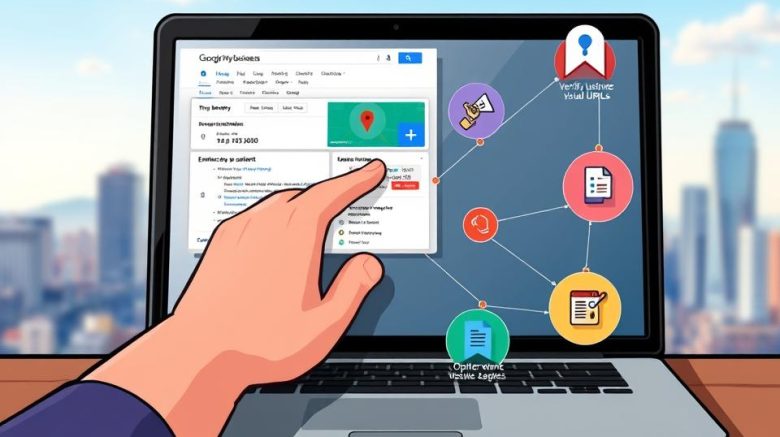
Grow Your Brand through a Google Business Profile Reviews Strategy
You want your business to show up whenever people search on Google Maps and Search. A focused Google Business reviews program makes this possible. It boosts discoverability, trust, and conversions throughout local searches across the country.
Google reviews on your Business Profile show in Search and Maps. They play a direct role local search performance. Profiles that are complete and verified are shown more frequently by Google.
The ability to reply to reviews builds trust with customers. Regular updates—up-to-date hours, fresh photos, and clear service details Kent SEO—also contribute to stronger local visibility.
Tangible outcomes are achievable from a properly executed plan. More profile views, higher click-through rates from Maps and Search, and improved local rankings are expected. Increased foot traffic or call volume are also possible.
Review acquisition methods and ORM are central to these gains. But, you must adhere to Google rules. Avoid incentives, seek genuine experiences, and remember reviewers need a Google profile to post.
Marketing1on1 focuses on digital marketing and reputation management. They can operationalize the tactical playbook outlined in this article. The sections ahead cover profile setup and verification, compliant review acquisition, response best practices, closed-loop feedback, monitoring tools, multimedia enhancements, recovery tactics, and agency support.
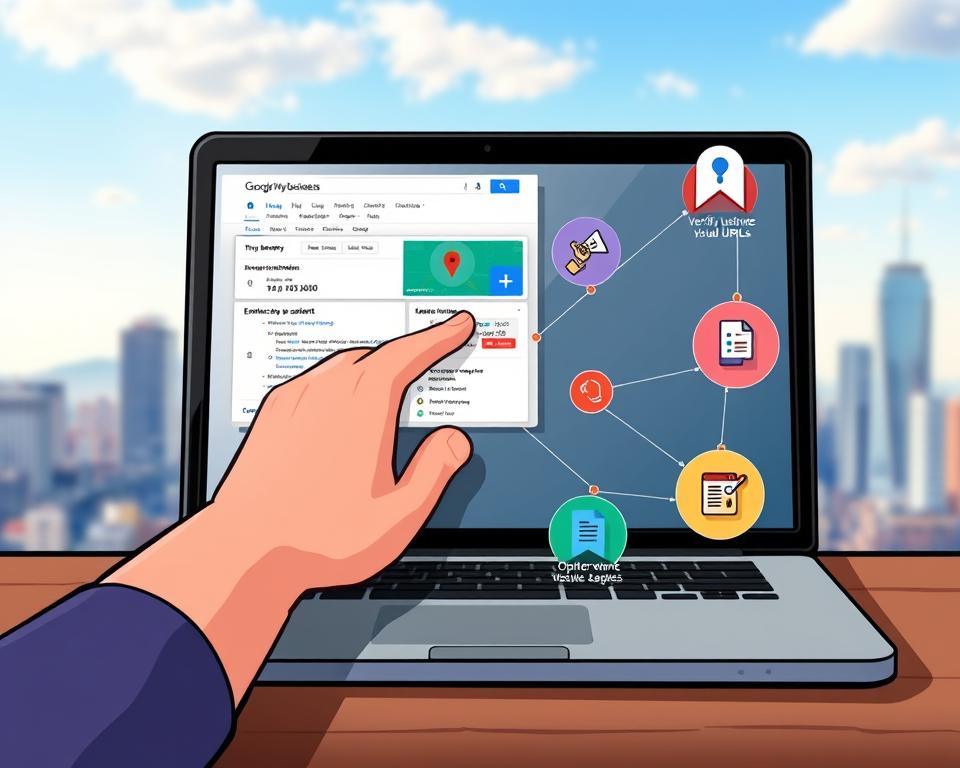
What You’ll Learn
- A GBP review strategy enhances discovery and local search performance on Maps and Search.
-
- Complete, verified Business Profiles get more views and can reply to customer reviews.
-
- Follow review generation tactics that comply with Google’s policies—never offer incentives.
-
- Ongoing reputation management requires regular updates, thoughtful responses, and monitoring.
-
- Marketing1on1 supports execute and measure a reviews-powered local plan.
-
How reviews impact local SEO
Three primary factors guide Google to decide which businesses rank in local searches: topical relevance, distance, and how well-known you are. You can strengthen relevance by completing your profile with the correct categories and services. Reviews that talk about what you offer help Google find you when people search for similar things.
Proximity is tied to the user’s location and can’t be changed by reviews. But, if multiple options are near, positive reviews can help you rise above. This means authentic reviews can make your business rank higher in local searches.
Prominence reflects brand familiarity online and offline. Google looks at how many reviews you have, their average rating, and how often you update. Getting more authentic reviews makes your business look more established on Google Maps and in local results.
Signals from reviews are things Google can track. They look at how many reviews you have, when they were written, your overall rating, and review content. They also check if you respond, and how people take actions. These signals help Google determine if people value and see your business as relevant for certain searches.
Below is a quick look at how different review signals impact how you rank.
Review Signal
What Google Measures
How It Affects Visibility
Volume
Total reviews and growth
Growing volume supports stronger visibility
Freshness
Date of latest reviews
Recent feedback supports better placement
Average Stars
Star average
Strong averages attract clicks
Content
Service and place mentions
Relevant text helps you match more search queries
Owner Replies
Reply rate and timeliness
Showing you’re active and caring builds trust with searchers
By consistently earning genuine reviews, you send strong local signals. Over time, this can increase the likelihood of appearing in local searches and on Maps. This visibility can drive store visits and site clicks.
Avoid buying or faking reviews. Google doesn’t allow it and can reduce visibility. Keep it authentic and replying thoughtfully to build long-term credibility and relevance for your business.
A practical reviews plan
You need a clear plan that links reviews to KPIs. Start with three core goals: increase visibility in Maps and Search, boost credibility through higher average ratings, and turn views into actions. A systematic Google Business reviews strategy makes feedback a dependable channel.
Defining your goals: visibility, credibility, and conversion
Set numeric targets for each goal. Target monthly review growth, a gradual rating improvement, and better CTR from your Business Profile. Verification unlocks replies and can appear more frequently, so make verification step one.
Fold reviews into your SEO plan
Leverage review snippets for SEO. Extract recurring keyword phrases into Business Profile descriptions and local landing pages. Implement AggregateRating schema, and highlight review snippets in on-site testimonials. Coordinate backlink outreach to pages that showcase vetted reviews.
Embed review collection into marketing channels. Include QR codes and direct links to receipts, post-service emails, SMS/CRM triggers, and in-store signage. Keep all requests compliant with Google’s no-incentive rule. Pair review asks with short surveys to gather structured feedback while guiding satisfied customers to leave public reviews.
Measure what matters: review KPIs
KPI
What to track
Target examples
Monthly review count
Count of public reviews added to the Business Profile
10–30/location vs. local peers
Average rating trend
30/90/180-day weighted mean
Maintain 4.2+ with upward trend
Median reply time
Median hours to first reply from business
≤48 hours
Profile views & search impressions
Visibility metrics from Google Business Profile insights
Increase impressions by 15% quarter-over-quarter
Click-through rate to site
Clicks from profile to site as a percent of profile views
Improve CTR by 5–10% after review campaigns
Direction requests & calls
Directions/calls from profile
Track month-over-month growth per location
Sentiment score
NLP sentiment\
>70% positive share
Map metrics to ROI. Value each action type to demonstrate ROI. Set location-specific review targets and benchmark against competitors and industry averages. Build dashboards and tune your tactics in regular cadences.
Verification and setup for reviews
Prior to requesting reviews, claim and complete your profile. A verified Business Profile enables replies and control your information. It shows Google you’re the business owner and builds customer trust.
You can claim your listing from Google Search or Google Maps. Complete verification steps: postcard, phone call, or email. Check your status often to respond to reviews and resolve issues promptly.
Why verify
Verified profiles are favored. Unverified profiles lack reply ability and may be less visible. To boost local SEO, verify your profile as soon as you can.
Complete your profile
Use a precise street address and a local phone. Select accurate categories. Add service areas if you serve neighborhoods.
Maintain accurate hours, including special hours. Incorrect hours create friction and hurt your local search ranking.
Media setup
Add high-quality photos and short videos of your storefront, team, and products. If you’re a retailer, turn on product listings. These elements strengthen your profile and support higher CTR.
Checklist: key profile fields
Field
Why it matters
Best practice
Address
Helps Google place you on Maps and shows location to customers
Use a full, accurate street address for physical locations
Phone
Builds trust and enables calls from local searchers
Display a local area code number; avoid call-forwarding if possible
Opening Hours
Supports customer expectations and rankings
Update regular, special, and holiday hours promptly
Primary/Secondary Categories
Helps Google match searches to your services
Pick one primary plus precise secondaries
Services & About
Explains offerings and relevance
Use concise, keyword-relevant copy
Photos & Videos
Builds visual trust and engagement
Post high-res media and captions
Products (if eligible)
Surfaces inventory in results
Add product titles, prices, and short descriptions
Per Google, complete and accurate profiles perform better locally. Use this to improve your listing and maintain accurate details.
After verification and completion, your profile is a strong platform for reviews. It reinforces your reviews plan and strengthens rankings over time.
Review generation tactics that follow Google’s policies
A durable strategy stays policy-compliant. Start with a simple process that fits into your service flow. Keep requests respectful and based on actual customers.
Ask customers at the point of service, in emails, or on receipts. Use review links or QR codes for quick feedback. Make sure customers are signed into a Google Account to post. Do not imply discounts or perks.
Ways to request reviews without incentives
Ask politely and personally after a positive interaction. Reference the exact service. Request candid feedback. For example: “If you enjoyed your haircut today, could you leave a quick Google review? Use this link.”
Using review links and QR codes in receipts, emails, and in-store signs
From your Business Profile, choose “Get more reviews” to copy the link or download a QR code. Add the link to thank-you emails and digital receipts. Place QR on receipts, signage, and counters for easy access.
Timing & scripts that convert
Ask for reviews soon after service. Target 24–72 hours for the freshest memory. Keep scripts concise and reference the visit/item. For example: “Thanks for ordering the espresso machine. Got two minutes, please drop an honest Google review here: [link].”
Check satisfaction first.” If the score is high, send a polite ask. Always let customers know their feedback is valued and can be candid.
Response best practices
Before responding, verify your profile. This signals commitment and encourages more people to share. Public replies are key to shaping first impressions and supporting trust and visibility.
Replying to positive reviews
Reply quickly, within a couple of days. Reference a specific detail, like a service line or product, to personalize the note.
Welcome them back and include a brief call-to-action if it fits. Concise, sincere replies help build rapport and support your online reputation goals.
Handling negative feedback with empathy and reputation repair techniques
Acknowledge the issue and apologize if appropriate. Outline a clear next step, like a phone call or email, to resolve the issue privately.
Use reputation repair techniques for recurring complaints. Share the steps you took, like staff training or process updates. Once resolved, invite an updated review with no incentives.
Offline vs. public resolution
Keep complex matters offline for privacy matters, refunds, or detailed exchanges. Publicly show care and note follow-up. This balances transparency with privacy and maintains professionalism.
Scenario
Public Reply
Offline Escalation
Key Benefit
Staff shout-out
Short thank-you with name and invite
None
Builds morale and brand voice
Minor service hiccup
Acknowledge and offer a contact for details
Resolve via private channel
Demonstrates empathy and action
Billing concern
Apologize + ask for contact
Move to private channel immediately
Protects customer data and reduces public friction
Repeated complaints about a pattern
State investigation underway
Fix internally then update
Enables reputation repair techniques and transparency
Consistently apply review response best practices. Track outcomes and use lessons in your online reputation management. This steady approach makes your Google Business reviews strategy more effective over time.
Customer feedback strategies to turn reviews into improvements
Use reviews as a practical source of insight. Read each Google review and look for common themes. These might include quality, hours, access, or staff service. Make a short list of priority items so your team can focus on highest impact.
Using reviews to inform products, hours, and service changes
Look for patterns in reviews, not just single comments. If many shoppers mention limited weekend hours, pilot extended weekend hours. Measure sales and feedback to see if it helps.
If several diners mention menu gaps, pilot a single new item. See if it improves repeat visits. These lightweight tests support evidence-based changes.
Collecting structured feedback through surveys linked to your profile
Send brief surveys by email or SMS after service to gather targeted input. Adopt a two-step flow: a brief survey that routes happy customers to Google and a private form for dissatisfied customers. This way, you increase reviews while collecting details.
Leveraging reviews for marketing assets (testimonials, social proof)
With consent, use snippets from 5-star reviews as testimonials on your website and in social content. Add user photos and short case notes to boost trust. For retail businesses, list in-store products on your Business Profile to reduce complaints about availability.
Make sure changes stick by setting up a feedback loop. Assign ownership for review monitoring. Use triage rules to escalate urgent issues and routine suggestions. Track actions and outcomes in a shared dashboard.
Action
Trigger
Owner
Success Metric
Adjust hours
3+ mentions of hours
Location lead
Sales up, timing complaints down
Product change pilot
Multiple requests or complaints about an item
Product lead
Repeat purchases, positive review ratio
Two-step survey
Post-service follow-up
CX/CRM
Survey completion rate, review conversion
Review curation
5-star + photo
Marketing
Assets produced, engagement
Pair these actions with acquisition. A clear reviews strategy converts feedback into measurable change. It strengthens your local reputation over time.
Monitoring & reporting
To keep your Google Business reviews strategy active, you need a solid monitoring/reporting system. Choose tools with instant alerts. They should also do sentiment analysis to flag urgent issues and handle multiple locations.
Recommended features:
Look for tools that send immediate notifications when reviews post. They should also have sentiment scoring to flag negatives early. Plus, multi-location is essential to cover your footprint.
Benefits of alerts and sentiment:
Instant alerts let you answer quickly, improving perception and resolution. Sentiment flags patterns—this lets you focus on reputation repair and improve your offerings.
Team dashboard setup:
Aggregate reviews into one pane. Track volume, rating, response time. Add filters by location or service line for managers to see relevant data.
Give teammates role-based access and assign tasks directly from the dashboard. This keeps response quality high.
Data integration tips:
Push review records into your CRM to link feedback with transactions and customer profiles. Tag reviews to orders/appointments for next steps. Pipe rollups into analytics to quantify impact.
Reporting cadence and governance:
Use weekly urgent alerts, produce monthly performance reports for trend analysis, and hold quarterly reviews. Embed review ops into marketing and ORM. Consider working with agencies like Marketing1on1 for scale and process design.
Business listing enhancement and multimedia to complement reviews
Think of your Business Profile as a virtual storefront. Leverage crisp photos and short videos to assist pre-visit decisions. This strategy supports a strong Google Business reviews strategy and improves local performance.
Upload high-quality images of your interior, exterior, staff, and products. Share quick walkthroughs/demos to show services in action. These visuals increase click-through rates and support conversion alongside strong reviews.
For retail locations, list in-store products where eligible. Shoppers can view items, pricing, and details right on your profile. This can improve product query visibility and support your business listing enhancement goals.
Keep your hours, special hours, and attributes current. Update holiday schedules and temporary closures so customers do not arrive to a locked door. Attributes such as Wi-Fi, parking, accessibility answer common questions and improve relevance.
Use media to respond to feedback. If reviews mention a product or an experience, add images or a quick video that clarifies availability or improvements. That tactic strengthens trust and keeps media aligned with your reviews plan.
Stick to best practices: descriptive filenames, add captions that include relevant terms, and refresh media seasonally or on change. Google favors complete, accurate profiles with active photo and video updates, which helps your local SEO optimization.
Repairing and protecting reputation
Have a plan to protect presence and recover fast. Start by monitoring reviews and mentions across platforms so you spot issues early. Respond with calm facts and document remediation steps.
Find and report policy violations
Look for signs of fake reviews: repeated phrasing, irrelevant details, quid-pro-quo hints, or sudden rating clusters. Monitor for coordinated patterns. For fake review reporting, follow Google’s reporting flow from your Business Profile and gather screenshots, dates, and supporting evidence before you submit a complaint.
How to recover and rebuild
Reply promptly and professionally. Acknowledge concerns, offer to continue the conversation offline, and describe the concrete steps you’ve taken. Once fixed, invite satisfied customers to leave fresh feedback.
Broaden your review footprint
Rely on a single platform at your peril. Develop reviews across Google, Yelp, Facebook, and vertical sites to spread risk. Use press mentions, local citations, and backlinks to strengthen prominence. Do not incentivize; follow policy and use organic outreach.
Action
Why it matters
How to implement
Always-on monitoring
Early fake detection
Set alerts for sudden rating changes and keyword mentions across platforms
Report fakes
Removes policy-violating content
Document and escalate via Google tools
Public replies
Shows customers you care
Reply within 48 hours, stay factual, offer offline resolution
Fix operations
Stops recurrence
Announce concrete changes and improvements
Broaden platforms
Reduces dependency on one source
Encourage cross-platform reviews and PR
Use these reputation repair techniques as part of your Google Business reviews strategy. Document actions and measure recovery with rating trends and inquiry volume. A consistent, policy-led approach to reporting fakes and long-term online reputation management will restore trust and protect future growth.
Partnering with Marketing1on1
Marketing1on1 streamlines your review strategy. They help with setting up and verifying your Business Profile. They also ensure completeness and strong presentation.
The agency uses legal ways to get more reviews, like adding review links and QR codes. They also set up tools to track your reviews and how they affect your business. This way, you can measure performance and link reviews to outcomes.
Marketing1on1 helps manage your online reputation by providing response templates and automating workflows. They remain policy-compliant to ensure your reviews are real and not fake. If there’s a reputation issue, they have playbooks for rapid, offline resolution.
You’ll get a partner focused on making your business more visible and trusted. This frees your team to serve customers. Reach out to Marketing1on1 to get a review audit, strategy session, or a scalable multi-location plan.
- A GBP review strategy enhances discovery and local search performance on Maps and Search.
- Complete, verified Business Profiles get more views and can reply to customer reviews.
- Follow review generation tactics that comply with Google’s policies—never offer incentives.
- Ongoing reputation management requires regular updates, thoughtful responses, and monitoring.
- Marketing1on1 supports execute and measure a reviews-powered local plan.
-
How reviews impact local SEO
Three primary factors guide Google to decide which businesses rank in local searches: topical relevance, distance, and how well-known you are. You can strengthen relevance by completing your profile with the correct categories and services. Reviews that talk about what you offer help Google find you when people search for similar things.
Proximity is tied to the user’s location and can’t be changed by reviews. But, if multiple options are near, positive reviews can help you rise above. This means authentic reviews can make your business rank higher in local searches.
Prominence reflects brand familiarity online and offline. Google looks at how many reviews you have, their average rating, and how often you update. Getting more authentic reviews makes your business look more established on Google Maps and in local results.
Signals from reviews are things Google can track. They look at how many reviews you have, when they were written, your overall rating, and review content. They also check if you respond, and how people take actions. These signals help Google determine if people value and see your business as relevant for certain searches.
Below is a quick look at how different review signals impact how you rank.
Review Signal What Google Measures How It Affects Visibility Volume Total reviews and growth Growing volume supports stronger visibility Freshness Date of latest reviews Recent feedback supports better placement Average Stars Star average Strong averages attract clicks Content Service and place mentions Relevant text helps you match more search queries Owner Replies Reply rate and timeliness Showing you’re active and caring builds trust with searchers By consistently earning genuine reviews, you send strong local signals. Over time, this can increase the likelihood of appearing in local searches and on Maps. This visibility can drive store visits and site clicks.
Avoid buying or faking reviews. Google doesn’t allow it and can reduce visibility. Keep it authentic and replying thoughtfully to build long-term credibility and relevance for your business.
A practical reviews plan
You need a clear plan that links reviews to KPIs. Start with three core goals: increase visibility in Maps and Search, boost credibility through higher average ratings, and turn views into actions. A systematic Google Business reviews strategy makes feedback a dependable channel.
Defining your goals: visibility, credibility, and conversion
Set numeric targets for each goal. Target monthly review growth, a gradual rating improvement, and better CTR from your Business Profile. Verification unlocks replies and can appear more frequently, so make verification step one.
Fold reviews into your SEO plan
Leverage review snippets for SEO. Extract recurring keyword phrases into Business Profile descriptions and local landing pages. Implement AggregateRating schema, and highlight review snippets in on-site testimonials. Coordinate backlink outreach to pages that showcase vetted reviews.
Embed review collection into marketing channels. Include QR codes and direct links to receipts, post-service emails, SMS/CRM triggers, and in-store signage. Keep all requests compliant with Google’s no-incentive rule. Pair review asks with short surveys to gather structured feedback while guiding satisfied customers to leave public reviews.
Measure what matters: review KPIs
KPI What to track Target examples Monthly review count Count of public reviews added to the Business Profile 10–30/location vs. local peers Average rating trend 30/90/180-day weighted mean Maintain 4.2+ with upward trend Median reply time Median hours to first reply from business ≤48 hours Profile views & search impressions Visibility metrics from Google Business Profile insights Increase impressions by 15% quarter-over-quarter Click-through rate to site Clicks from profile to site as a percent of profile views Improve CTR by 5–10% after review campaigns Direction requests & calls Directions/calls from profile Track month-over-month growth per location Sentiment score NLP sentiment\ >70% positive share Map metrics to ROI. Value each action type to demonstrate ROI. Set location-specific review targets and benchmark against competitors and industry averages. Build dashboards and tune your tactics in regular cadences.
Verification and setup for reviews
Prior to requesting reviews, claim and complete your profile. A verified Business Profile enables replies and control your information. It shows Google you’re the business owner and builds customer trust.
You can claim your listing from Google Search or Google Maps. Complete verification steps: postcard, phone call, or email. Check your status often to respond to reviews and resolve issues promptly.
Why verify
Verified profiles are favored. Unverified profiles lack reply ability and may be less visible. To boost local SEO, verify your profile as soon as you can.
Complete your profile
Use a precise street address and a local phone. Select accurate categories. Add service areas if you serve neighborhoods.
Maintain accurate hours, including special hours. Incorrect hours create friction and hurt your local search ranking.
Media setup
Add high-quality photos and short videos of your storefront, team, and products. If you’re a retailer, turn on product listings. These elements strengthen your profile and support higher CTR.
Checklist: key profile fields
Field Why it matters Best practice Address Helps Google place you on Maps and shows location to customers Use a full, accurate street address for physical locations Phone Builds trust and enables calls from local searchers Display a local area code number; avoid call-forwarding if possible Opening Hours Supports customer expectations and rankings Update regular, special, and holiday hours promptly Primary/Secondary Categories Helps Google match searches to your services Pick one primary plus precise secondaries Services & About Explains offerings and relevance Use concise, keyword-relevant copy Photos & Videos Builds visual trust and engagement Post high-res media and captions Products (if eligible) Surfaces inventory in results Add product titles, prices, and short descriptions Per Google, complete and accurate profiles perform better locally. Use this to improve your listing and maintain accurate details.
After verification and completion, your profile is a strong platform for reviews. It reinforces your reviews plan and strengthens rankings over time.
Review generation tactics that follow Google’s policies
A durable strategy stays policy-compliant. Start with a simple process that fits into your service flow. Keep requests respectful and based on actual customers.
Ask customers at the point of service, in emails, or on receipts. Use review links or QR codes for quick feedback. Make sure customers are signed into a Google Account to post. Do not imply discounts or perks.
Ways to request reviews without incentives
Ask politely and personally after a positive interaction. Reference the exact service. Request candid feedback. For example: “If you enjoyed your haircut today, could you leave a quick Google review? Use this link.”
Using review links and QR codes in receipts, emails, and in-store signs
From your Business Profile, choose “Get more reviews” to copy the link or download a QR code. Add the link to thank-you emails and digital receipts. Place QR on receipts, signage, and counters for easy access.
Timing & scripts that convert
Ask for reviews soon after service. Target 24–72 hours for the freshest memory. Keep scripts concise and reference the visit/item. For example: “Thanks for ordering the espresso machine. Got two minutes, please drop an honest Google review here: [link].”
Check satisfaction first.” If the score is high, send a polite ask. Always let customers know their feedback is valued and can be candid.
Response best practices
Before responding, verify your profile. This signals commitment and encourages more people to share. Public replies are key to shaping first impressions and supporting trust and visibility.
Replying to positive reviews
Reply quickly, within a couple of days. Reference a specific detail, like a service line or product, to personalize the note.
Welcome them back and include a brief call-to-action if it fits. Concise, sincere replies help build rapport and support your online reputation goals.
Handling negative feedback with empathy and reputation repair techniques
Acknowledge the issue and apologize if appropriate. Outline a clear next step, like a phone call or email, to resolve the issue privately.
Use reputation repair techniques for recurring complaints. Share the steps you took, like staff training or process updates. Once resolved, invite an updated review with no incentives.
Offline vs. public resolution
Keep complex matters offline for privacy matters, refunds, or detailed exchanges. Publicly show care and note follow-up. This balances transparency with privacy and maintains professionalism.
Scenario Public Reply Offline Escalation Key Benefit Staff shout-out Short thank-you with name and invite None Builds morale and brand voice Minor service hiccup Acknowledge and offer a contact for details Resolve via private channel Demonstrates empathy and action Billing concern Apologize + ask for contact Move to private channel immediately Protects customer data and reduces public friction Repeated complaints about a pattern State investigation underway Fix internally then update Enables reputation repair techniques and transparency Consistently apply review response best practices. Track outcomes and use lessons in your online reputation management. This steady approach makes your Google Business reviews strategy more effective over time.
Customer feedback strategies to turn reviews into improvements
Use reviews as a practical source of insight. Read each Google review and look for common themes. These might include quality, hours, access, or staff service. Make a short list of priority items so your team can focus on highest impact.
Using reviews to inform products, hours, and service changes
Look for patterns in reviews, not just single comments. If many shoppers mention limited weekend hours, pilot extended weekend hours. Measure sales and feedback to see if it helps.
If several diners mention menu gaps, pilot a single new item. See if it improves repeat visits. These lightweight tests support evidence-based changes.
Collecting structured feedback through surveys linked to your profile
Send brief surveys by email or SMS after service to gather targeted input. Adopt a two-step flow: a brief survey that routes happy customers to Google and a private form for dissatisfied customers. This way, you increase reviews while collecting details.
Leveraging reviews for marketing assets (testimonials, social proof)
With consent, use snippets from 5-star reviews as testimonials on your website and in social content. Add user photos and short case notes to boost trust. For retail businesses, list in-store products on your Business Profile to reduce complaints about availability.
Make sure changes stick by setting up a feedback loop. Assign ownership for review monitoring. Use triage rules to escalate urgent issues and routine suggestions. Track actions and outcomes in a shared dashboard.
Action Trigger Owner Success Metric Adjust hours 3+ mentions of hours Location lead Sales up, timing complaints down Product change pilot Multiple requests or complaints about an item Product lead Repeat purchases, positive review ratio Two-step survey Post-service follow-up CX/CRM Survey completion rate, review conversion Review curation 5-star + photo Marketing Assets produced, engagement Pair these actions with acquisition. A clear reviews strategy converts feedback into measurable change. It strengthens your local reputation over time.
Monitoring & reporting
To keep your Google Business reviews strategy active, you need a solid monitoring/reporting system. Choose tools with instant alerts. They should also do sentiment analysis to flag urgent issues and handle multiple locations.
Recommended features:
Look for tools that send immediate notifications when reviews post. They should also have sentiment scoring to flag negatives early. Plus, multi-location is essential to cover your footprint.
Benefits of alerts and sentiment:
Instant alerts let you answer quickly, improving perception and resolution. Sentiment flags patterns—this lets you focus on reputation repair and improve your offerings.
Team dashboard setup:
Aggregate reviews into one pane. Track volume, rating, response time. Add filters by location or service line for managers to see relevant data.
Give teammates role-based access and assign tasks directly from the dashboard. This keeps response quality high.
Data integration tips:
Push review records into your CRM to link feedback with transactions and customer profiles. Tag reviews to orders/appointments for next steps. Pipe rollups into analytics to quantify impact.
Reporting cadence and governance:
Use weekly urgent alerts, produce monthly performance reports for trend analysis, and hold quarterly reviews. Embed review ops into marketing and ORM. Consider working with agencies like Marketing1on1 for scale and process design.
Business listing enhancement and multimedia to complement reviews
Think of your Business Profile as a virtual storefront. Leverage crisp photos and short videos to assist pre-visit decisions. This strategy supports a strong Google Business reviews strategy and improves local performance.
Upload high-quality images of your interior, exterior, staff, and products. Share quick walkthroughs/demos to show services in action. These visuals increase click-through rates and support conversion alongside strong reviews.
For retail locations, list in-store products where eligible. Shoppers can view items, pricing, and details right on your profile. This can improve product query visibility and support your business listing enhancement goals.
Keep your hours, special hours, and attributes current. Update holiday schedules and temporary closures so customers do not arrive to a locked door. Attributes such as Wi-Fi, parking, accessibility answer common questions and improve relevance.
Use media to respond to feedback. If reviews mention a product or an experience, add images or a quick video that clarifies availability or improvements. That tactic strengthens trust and keeps media aligned with your reviews plan.
Stick to best practices: descriptive filenames, add captions that include relevant terms, and refresh media seasonally or on change. Google favors complete, accurate profiles with active photo and video updates, which helps your local SEO optimization.
Repairing and protecting reputation
Have a plan to protect presence and recover fast. Start by monitoring reviews and mentions across platforms so you spot issues early. Respond with calm facts and document remediation steps.
Find and report policy violations
Look for signs of fake reviews: repeated phrasing, irrelevant details, quid-pro-quo hints, or sudden rating clusters. Monitor for coordinated patterns. For fake review reporting, follow Google’s reporting flow from your Business Profile and gather screenshots, dates, and supporting evidence before you submit a complaint.
How to recover and rebuild
Reply promptly and professionally. Acknowledge concerns, offer to continue the conversation offline, and describe the concrete steps you’ve taken. Once fixed, invite satisfied customers to leave fresh feedback.
Broaden your review footprint
Rely on a single platform at your peril. Develop reviews across Google, Yelp, Facebook, and vertical sites to spread risk. Use press mentions, local citations, and backlinks to strengthen prominence. Do not incentivize; follow policy and use organic outreach.
Action Why it matters How to implement Always-on monitoring Early fake detection Set alerts for sudden rating changes and keyword mentions across platforms Report fakes Removes policy-violating content Document and escalate via Google tools Public replies Shows customers you care Reply within 48 hours, stay factual, offer offline resolution Fix operations Stops recurrence Announce concrete changes and improvements Broaden platforms Reduces dependency on one source Encourage cross-platform reviews and PR Use these reputation repair techniques as part of your Google Business reviews strategy. Document actions and measure recovery with rating trends and inquiry volume. A consistent, policy-led approach to reporting fakes and long-term online reputation management will restore trust and protect future growth.
Partnering with Marketing1on1
Marketing1on1 streamlines your review strategy. They help with setting up and verifying your Business Profile. They also ensure completeness and strong presentation.
The agency uses legal ways to get more reviews, like adding review links and QR codes. They also set up tools to track your reviews and how they affect your business. This way, you can measure performance and link reviews to outcomes.
Marketing1on1 helps manage your online reputation by providing response templates and automating workflows. They remain policy-compliant to ensure your reviews are real and not fake. If there’s a reputation issue, they have playbooks for rapid, offline resolution.
You’ll get a partner focused on making your business more visible and trusted. This frees your team to serve customers. Reach out to Marketing1on1 to get a review audit, strategy session, or a scalable multi-location plan.